

Frequently asked questions
About the organisation
Who does Women Pillar support?
Two groups, usually within the same household: children who are without safe care, and older people who lack support, income or company. Our programmes are designed around the fact that a grandmother and her grandchildren are one case, not two.
Where do you work?
We are based in Nairobi and work across the city and surrounding counties through community volunteers and local partners such as schools, clinics, chiefs and faith groups. Coverage depends on where we have trained volunteers, so it grows gradually rather than all at once.
Are you a registered organisation?
Yes, we operate as a registered non-profit organisation in Kenya. Registration details and our governing documents are available to supporters, partners and funders on request.
Are you a religious organisation?
No. We work with faith groups because they are often the most effective referral network in a community, but support is never conditional on the beliefs of the people we serve, and we do not proselytise.
Our programmes
Why do you try to send children home rather than keep them?
Because the evidence is clear that long-term residential care harms children's development, and because our own records show that children who return home within a year settle back into school faster and return to us less often.
Shelter is sometimes necessary and occasionally urgent. But we treat it as a bridge with a target date, not a destination.
What happens if a child cannot go home safely?
We look for the closest thing to family life available: kinship care with a willing relative, supported foster placement, or a small group home where a consistent set of adults cares for a handful of children. For teenagers we focus on vocational training and a transition plan that does not end abruptly at eighteen.
How do you decide who receives food support?
Referrals come from community members, schools, health workers and families themselves. A case worker assesses immediate need — meals per day, income, health, and who else is in the household.
Relief is capped, typically at three months, and paired from the first week with a plan for what follows. The cap is what stops a limited budget from being consumed entirely by the households we reached first.
Do the kitchen gardens actually work?
Mostly. A well-built garden produces greens several times a week within about two months. Roughly a fifth fail in the first year, usually because of water scarcity or the illness of the main gardener. We publish that figure because knowing it lets us plan follow-up support instead of celebrating launches and looking away.
Can you help me with a legal problem?
Our resource hubs explain entitlements in plain language, list the documents you need and identify the office to approach. We do not give legal advice. Where a matter needs a lawyer, we refer to legal aid partners rather than improvise.
Donations
How much of my donation reaches the programmes?
Most of it, but not all, and we will not pretend otherwise. A share of unrestricted giving funds coordination, accounting, safeguarding and monitoring — the systems that keep children safe and money accounted for. We state that share rather than hiding it inside programme lines.
Can I choose what my donation is used for?
Yes. Restricted gifts are honoured exactly as designated. That said, unrestricted giving is genuinely more useful, because needs move and a fund locked to one purpose cannot follow them.
Will I get a receipt and an update?
Yes to receipts — email us your transfer reference if you give by bank so we can match it. Regular supporters receive quarterly updates with programme figures and at least one account of something that did not work.
Can I sponsor a specific child?
Not in the one-to-one form people usually mean. Publishing a child's details and photographs to attract a sponsor conflicts with our safeguarding rules, and it creates uncomfortable dynamics between children.
You can fund a school-fees pool, which supports children on the same terms and lets us respond when a family's circumstances change mid-term.
How do I know a message asking for money is really from you?
We never ask for your bank password, PIN or a one-time code, and we do not take card details over the phone. Our published Paybill and bank details are on the donate page. If something looks wrong, contact us before sending anything.
Getting involved
How do I volunteer?
Contact us with the time you can offer and where you are based. Everyone who will be in contact with children completes background screening and a full safeguarding induction with a written check of understanding — including short-term volunteers and visiting groups.
Can I visit the centre or bring a group?
Visits by groups wanting to spend time with children are not something we offer. A rotating stream of unfamiliar adults is unsettling for children and carries real safeguarding risk, however good the intentions.
We are glad to arrange meetings with staff, site visits for funders and partners, and skills-based volunteering that does not depend on contact with children.
I want to refer a child or an older person. What do I do?
Contact us with as much detail as you can safely share. If someone is in immediate danger, contact the police or local child protection authorities first — we are not an emergency service and cannot respond around the clock.
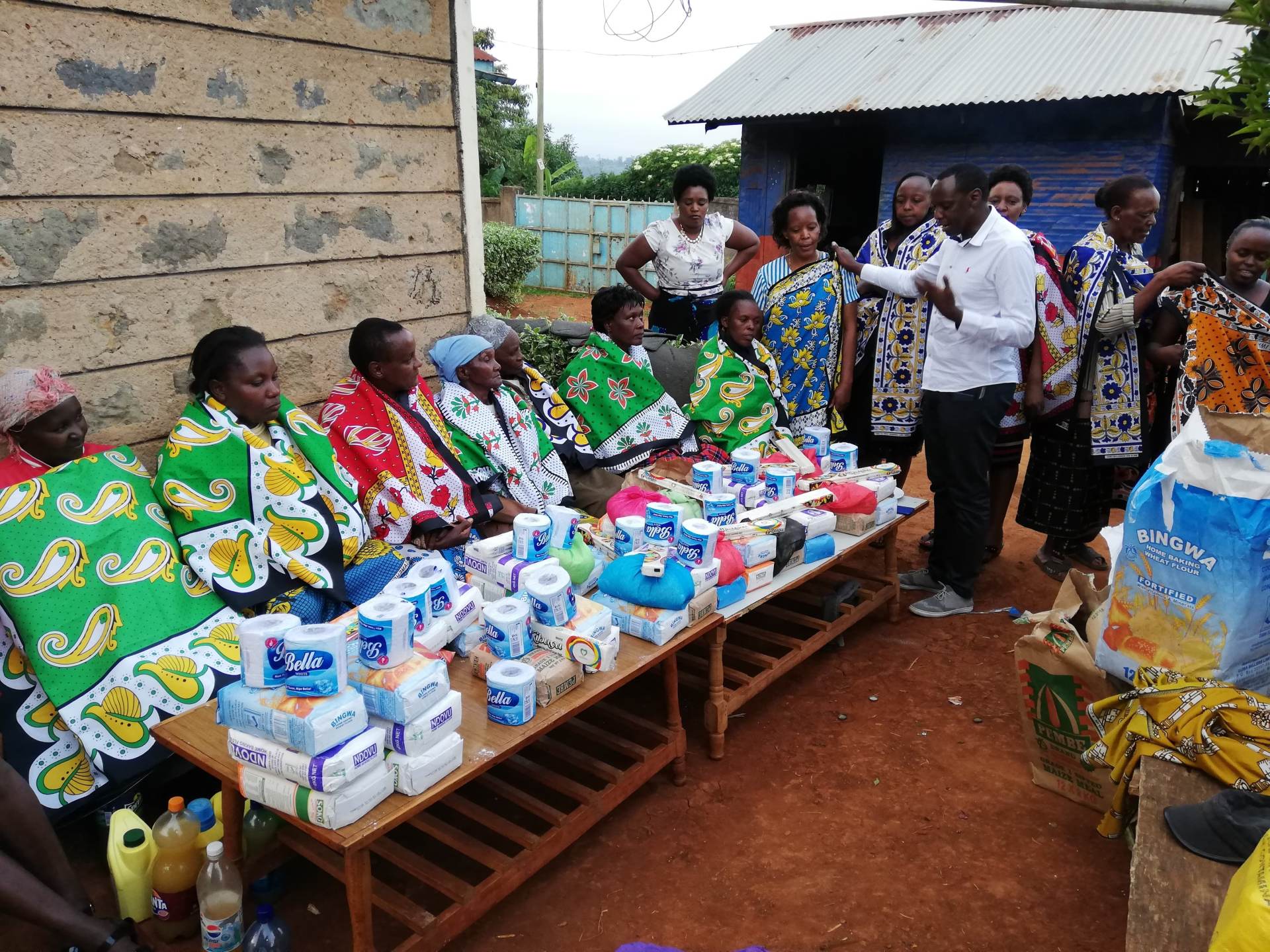
Do you accept donated goods?
When they match a stated need, yes, and gratefully. Please ask before sending anything: goods that do not match a need consume storage and staff time that would have done more good elsewhere.
Privacy & safeguarding
How do you handle children's photographs and stories?
Organisational images only, with informed consent, and no identifying details alongside images of children. Visitors do not take personal photographs. We avoid anything in fundraising that a child would find humiliating to encounter as an adult.
What do you do with the details I submit through this website?
We use them to respond to your enquiry and to keep a record of the conversation. We do not sell or rent personal data. See our privacy section for the full detail, including how to ask us to delete your information.
How do I raise a concern about someone connected to your work?
Contact us directly and ask for the safeguarding lead. If you would rather not go through our staff, ask for the external contact — it exists precisely so that reporting does not depend on the organisation being reported about.
Still have a question?
Send it to us. We answer most enquiries within two working days, and we would rather have the conversation than leave you guessing.